Train Hard, Stay Whole: The American Fighter's Guide to Muay Thai Injury Prevention
Let's be honest — nobody walks into a Muay Thai gym expecting it to be easy on the body. The sport literally conditions your bones to take impact. But there's a massive difference between the productive discomfort of hard training and the kind of damage that sidelines you for weeks. If you're grinding in an American gym right now, you need a plan that keeps you healthy as much as it makes you dangerous.
Here's the thing: most injuries in Muay Thai aren't freak accidents. They're the result of patterns — overtraining, skipping warmups, ignoring early warning signs, or just not understanding how the sport taxes specific parts of your body. Let's break it all down.
The Usual Suspects: Most Common Muay Thai Injuries in the US
Before you can prevent something, you need to know what's coming for you.
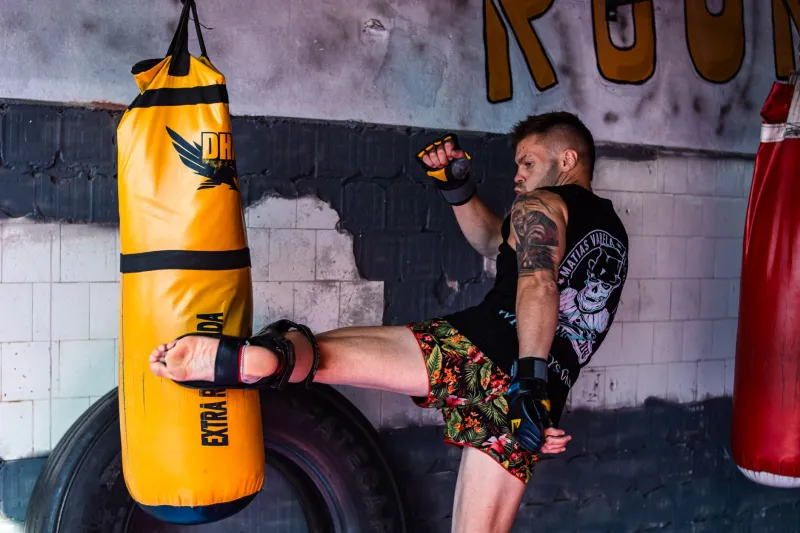
Shin splints and micro-fractures are practically a rite of passage. When you start throwing kicks, you're essentially conditioning your tibia to absorb and deliver force. That process involves micro-trauma — tiny stress responses in the bone. Done progressively, this makes your shins rock solid. Done recklessly, it becomes a stress fracture that keeps you off the mat for months.
Knee ligament strain — especially to the MCL and LCL — shows up regularly, particularly in fighters who throw a lot of low kicks or aren't warmed up properly before sparring. Rotational force is the culprit here.
Shoulder impingement creeps in quietly. Repetitive punching, pad holding, and clinch work create cumulative stress on the rotator cuff. A lot of American fighters don't catch this until their shoulder starts talking to them mid-round.
Hand and wrist injuries are almost universal. Improper wrapping, cheap gloves, and punching with bad alignment all contribute. A broken metacarpal or sprained wrist can derail months of progress.
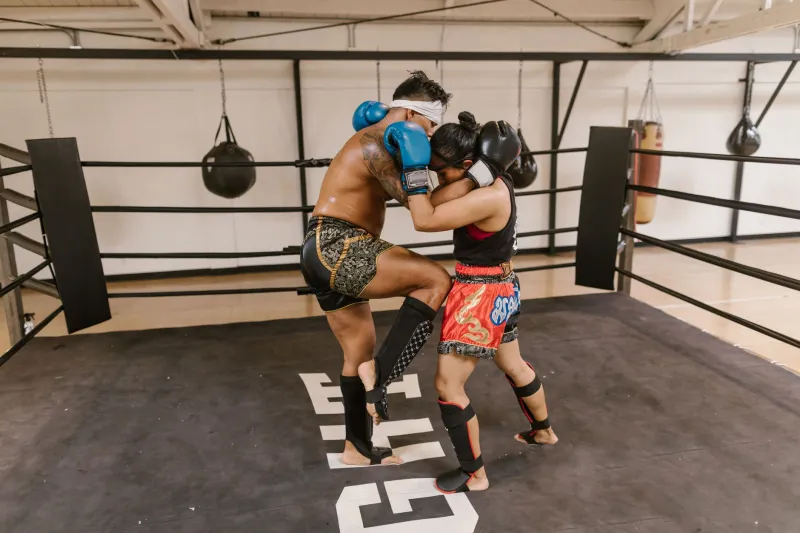
Neck and cervical strain from clinch work is underreported but real. Constant pulling, framing, and resisting in the plum position puts serious load on the cervical spine.
How US Training Culture Plays a Role
Here's something worth saying out loud: American gym culture sometimes works against fighters' long-term health. There's a hustle mentality baked into how a lot of us train — more rounds, more days, more intensity. That mindset has its place, but it can turn into overtraining disguised as dedication.
In Thailand, training camps have built-in structure. Fighters run in the morning, train twice a day, but they also rest, eat well, and sleep a lot. The culture supports recovery as part of the process. In the US, a lot of fighters are working full-time jobs, training three or four evenings a week, skimping on sleep, and wondering why their body keeps breaking down.
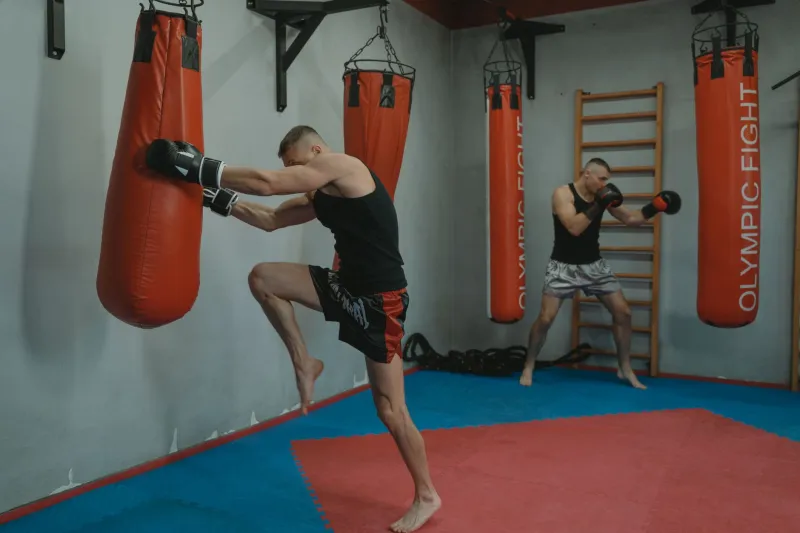
Gym standards also vary wildly here. Some American gyms have certified coaches, structured periodization, and proper safety protocols. Others are just renting mat space with a bag on a hook. Knowing the difference — and choosing where you train carefully — matters more than most people realize.
Prevention That Actually Works
Shin conditioning: slow and steady. The classic advice is to roll a wooden dowel or a glass bottle along your shins — and it works, but consistency is everything. Don't jump straight into hard bag work. Build volume gradually. Wear shin guards in sparring, even when your ego says you don't need to.
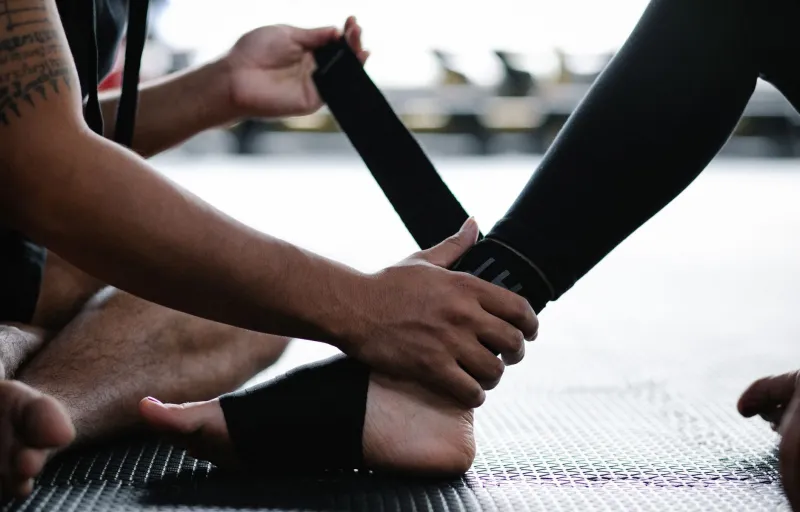
Wrap your hands every single time. No exceptions. A proper hand wrap takes three minutes and protects the small bones, tendons, and wrist alignment that make punching possible. Learn to wrap correctly — there are plenty of tutorials online, but your coach should also check your technique.
Mobility work isn't optional. Hip flexors, shoulders, ankles — these are the joints that Muay Thai absolutely hammers. Spend 10-15 minutes before every session working through dynamic mobility. It's not glamorous, but it's what keeps you training when your training partners are sitting on the bench with ice packs.
Periodize your training. You can't go hard every single day. A simple structure — two heavy days, two moderate days, one light technical day per week — gives your body time to adapt and repair. Serious competitors should work with a coach to plan training cycles that peak at the right time.
Listen to the early signals. That twinge in your knee isn't nothing. That shoulder that's been a little stiff for two weeks deserves attention. The fighters who stay healthy longest are the ones who treat minor discomfort as information rather than something to push through.
Recovery Protocols Worth Knowing
Ice and compression remain the first line of defense for acute injuries — sprains, bruises, and swelling. The classic RICE method (Rest, Ice, Compression, Elevation) still holds up for the first 48-72 hours.
For chronic issues like shin soreness or shoulder tightness, contrast therapy — alternating hot and cold — can help flush inflammation and increase circulation. A lot of high-level fighters swear by ice baths after hard training weeks.
Sleep is the most underrated recovery tool available to you. Growth hormone peaks during deep sleep, and tissue repair happens almost entirely at night. If you're training seriously and sleeping six hours, you're leaving recovery on the table.
Physical therapy isn't just for when something goes wrong. Working with a sports PT proactively — especially one who understands combat sports — can identify movement dysfunction before it becomes an injury. Many major US cities have sports medicine clinics that work with MMA and striking athletes.
When to Push Through vs. When to Step Back
This is the judgment call that separates smart fighters from injured ones. Some general guidelines:
Push through: General soreness, fatigue, minor bruising, and the discomfort of conditioning work. This is the productive pain that builds toughness.
Back off immediately: Sharp or shooting pain, any joint pain that changes how you move, numbness or tingling, pain that gets worse during activity rather than warming up and fading.
See a professional for: Anything that doesn't resolve in 5-7 days, swelling that won't go down, recurring pain in the same spot, or any head/neck trauma.
No fight, no sparring session, and no training milestone is worth a long-term injury. The fighters who build real careers in Muay Thai are the ones who learn to protect their body as fiercely as they protect their chin.
Train smart. Stay whole. The forge doesn't break the metal — it makes it stronger.