Flip the Script: How Southpaw Fighters Are Rewriting the Rules of American Muay Thai
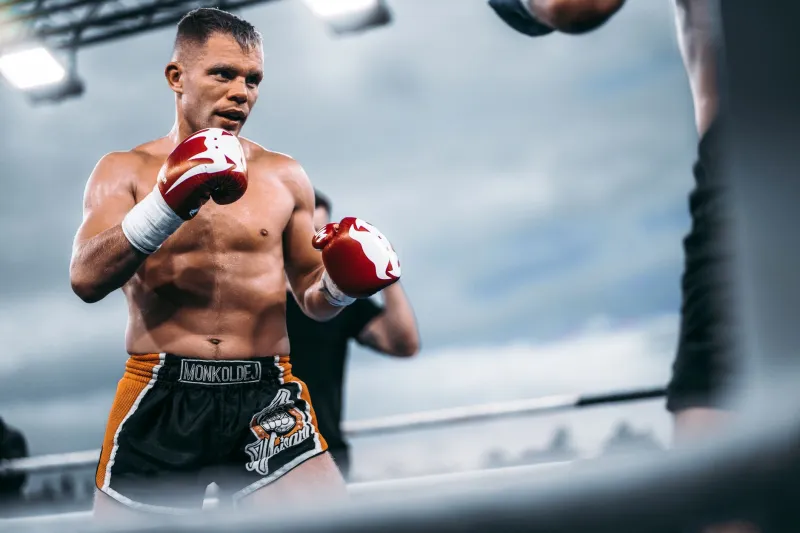
Walk into almost any Muay Thai gym in the US and you'll notice something pretty fast: most fighters are set up the same way. Left foot forward, right hand loaded, orthodox all the way. It's the default. It's what gets taught first, and for most people, it's what sticks.
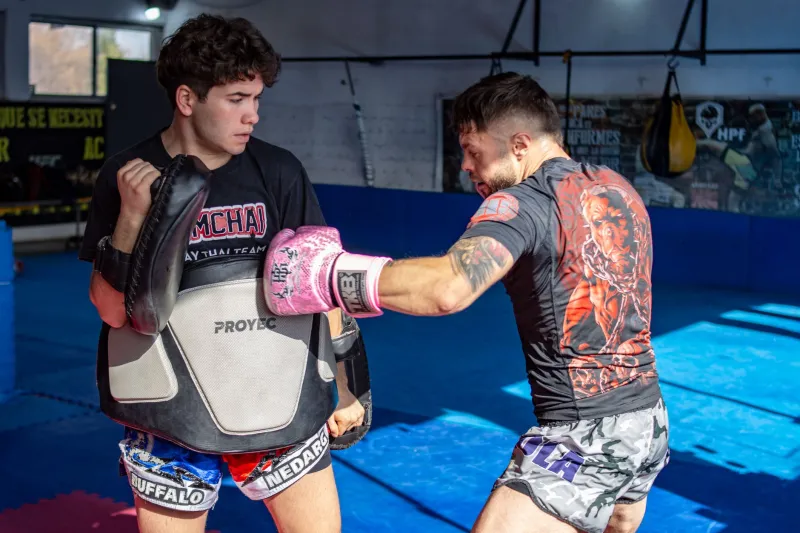
But somewhere in the back of the gym — or increasingly, right in the center of the ring — there's a southpaw causing serious headaches. Left foot back, right hand jabbing, left hand cocked like a loaded weapon. And if you're not used to dealing with that mirror-image chaos, you're already behind.
Southpaw fighters have been a thorn in the side of orthodox competitors for decades across boxing, kickboxing, and MMA. In American Muay Thai specifically, though, something has shifted in recent years. It's not just that there are more left-handed fighters competing — it's that coaches and gyms are starting to take the southpaw dynamic seriously as a strategic identity, not just an awkward inconvenience.
Why Southpaw Is Such a Problem in the First Place
The numbers alone tell part of the story. Roughly 10 to 13 percent of the population is left-handed. In a room of 20 fighters, you might have two or three natural southpaws. That means orthodox fighters spend the vast majority of their training time working against other orthodox fighters. When a southpaw shows up on fight night, the mismatch isn't just physical — it's psychological.
Angles shift. The lead leg matchup flips. That outside foot position that orthodox fighters rely on for power and balance? It's suddenly working against them. The southpaw's left hand — their power hand — is coming from a direction that orthodox fighters see far less often in sparring. Even experienced competitors can look awkward, reaching, off-balance.
"It's like suddenly having to read a book in a mirror," says Marcus Tillman, a coach at a Chicago-based gym who has trained multiple southpaw competitors on the regional circuit. "Everything your body has learned to do automatically just doesn't work the same way. Your timing is off, your counters are off. And a good southpaw knows exactly how to exploit that confusion."
The Tactical Toolkit That Makes Southpaws Dangerous
In Muay Thai specifically, the southpaw stance creates some particularly nasty opportunities. The left kick — thrown from the rear leg with serious torque — lands in a spot that orthodox fighters genuinely struggle to check consistently. Because they're used to defending right kicks, the angle and timing of a southpaw rear kick catches a lot of people flat-footed. Literally.
Then there's the left straight. In a southpaw vs. orthodox matchup, both fighters' power hands are on the same side. That means the southpaw's left cross is traveling along a more direct line to the chin, often slipping past the orthodox fighter's guard before they can react. Pair that with a low kick to the lead (right) leg, and you've got a combination that has finished plenty of fights at every level of American competition.
Clinch work gets complicated too. The natural angles for sweeps and trips change. Knee placement shifts. Southpaws who understand these nuances can use the stance to control the clinch in ways that feel completely foreign to opponents who haven't drilled against it.
American Gyms Are Starting to Pay Attention
For a long time, the approach to southpaw training in a lot of US gyms was pretty reactive. You'd spar with a southpaw when one happened to be in the gym. Maybe your coach would give you a few tips. But there wasn't a whole lot of structured, dedicated work around it.
That's changing. More gyms are building southpaw-specific rounds into their regular curriculum. Some coaches are having their orthodox fighters switch stances periodically — not to fight southpaw, but to understand the perspective. When you've thrown a left kick from the southpaw position, you start to understand why it's so hard to defend.
And some natural southpaws are being encouraged to fully lean into their stance rather than being nudged toward orthodox. "I had a coach early on who wanted to switch me," says one regional competitor who fights out of a Texas gym and has racked up wins on the Texas and Southwest circuits. "He said it would be easier. But once I found a trainer who actually understood how to develop a southpaw, everything clicked. My stance isn't a disadvantage — it's my whole game plan."
Drills Every Orthodox Fighter Needs to Add Right Now
If you're training orthodox and you want to stop getting picked apart by southpaws, here are a few things you can start working on immediately.
Step to the outside. Against an orthodox opponent, stepping to your left puts you in a dominant angle. Against a southpaw, that logic flips — you want to move to your right, off their power side. Drill this footwork pattern in shadow first, then bring it into pad work and sparring.
Check and counter the left kick. Have a partner throw southpaw rear kicks repeatedly while you work your check timing. The angle is different, the hip rotation is different. You need reps — a lot of them — before this becomes automatic.
Pressure the lead leg. The southpaw's right leg is their lead leg, and it's a target. Low kicks to that leg disrupt their stance, slow their movement, and take away their base. Work lead leg low kicks into your combination drills specifically in the context of southpaw matchups.
Clinch from the right side. When you enter the clinch against a southpaw, work to control from your right side. This limits their left elbow and makes their knee strikes harder to land cleanly. It takes drilling, but it becomes a real weapon once you get the feel for it.
Spar more southpaws. This sounds obvious, but it matters. If your gym doesn't have natural southpaws, ask a training partner to switch stances for rounds. Even imperfect southpaw sparring builds the pattern recognition you need.
The Bigger Picture
Southpaw fighters in American Muay Thai aren't a novelty anymore. They're a legitimate force at regional events, in national competitions, and increasingly at international levels where US fighters are starting to make noise. The gyms and coaches who treat the southpaw dynamic as a core part of their curriculum — not an afterthought — are going to produce more well-rounded competitors.
And for the southpaws themselves? The message is pretty clear: stop apologizing for your stance. Learn it deeply, develop it deliberately, and use every bit of the confusion it creates. The mold was built for orthodox fighters. Breaking it might just be your biggest advantage.