Likes Don't Land Punches: The Hard Truth About Social Media Fame and Muay Thai Competition
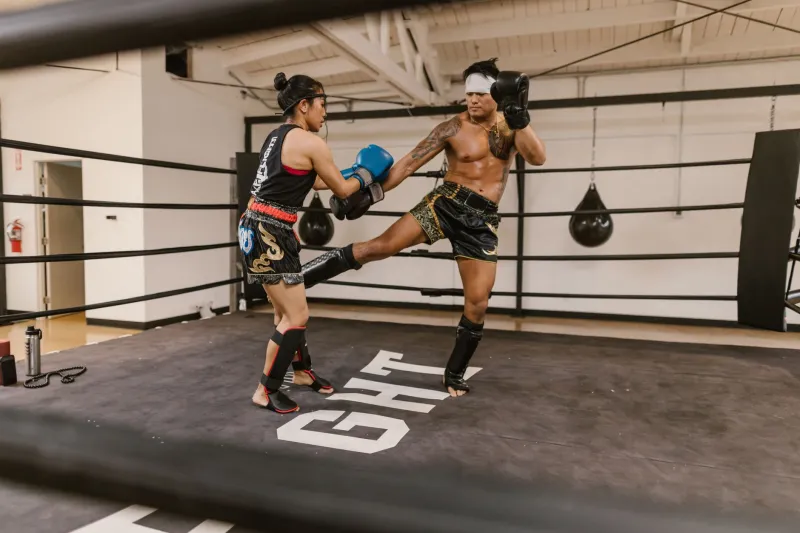
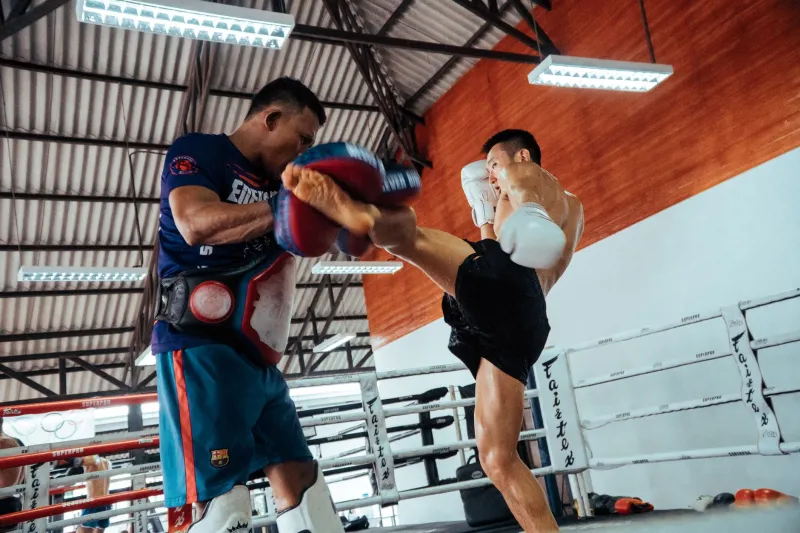
Let's be real about something: the line between combat sports and content creation has never been blurrier than it is right now. Scroll through Instagram or TikTok on any given week and you'll find fitness influencers shadowboxing in designer gear, lifestyle creators posting their first Muay Thai class, and — increasingly — people with six-figure followings announcing their amateur fight debuts.
Some of those announcements lead to legitimate journeys. Others lead to cautionary tales that get quietly deleted from their feeds after fight night.
The question isn't whether social media personalities belong in Muay Thai. The question is what actually happens when they get there.
The Trend Is Real and It's Growing
Across the US, Muay Thai promotions at the amateur level are seeing more applicants who arrive with a personal brand alongside their fight application. Gym owners in cities like LA, Miami, and Austin have noticed it. Some welcome it. Others are more skeptical.
"We've had people come in specifically because they want to document their 'fighter transformation' for content," said one gym owner from Austin who asked not to be named. "A few of them turned into real students. Most of them disappeared when they realized how long the actual process takes."
That tension — between the timeline social media demands and the timeline Muay Thai actually requires — is at the center of this whole conversation.
When the Clout Actually Helps
It would be dishonest to pretend that social media presence is always a liability in combat sports. In some cases, it's genuinely useful.
Fighters who already have an audience bring eyeballs to events that might otherwise struggle for attendance. Amateur Muay Thai in the US doesn't exactly sell out arenas on its own, and a competitor with 200,000 followers who promotes their fight card can meaningfully move ticket sales. Promoters notice that. It creates opportunities that pure athletic merit alone might not.
Beyond the business angle, some influencers who enter Muay Thai are doing so with complete sincerity. They train consistently, respect the process, and use their platform to document an honest journey — including the losses, the frustrations, and the parts that don't look glamorous on camera.
That kind of authenticity tends to land well in the Muay Thai community. Fighters and coaches can spot someone who's actually putting in the work versus someone performing the idea of putting in work. And when a content creator shows up daily, takes the hard rounds, and earns their first fight through legitimate training hours? Most gyms will have their back completely.
When the Clout Gets in the Way
Here's where it gets complicated. Social media operates on a reward system that is almost perfectly misaligned with what Muay Thai development actually requires.
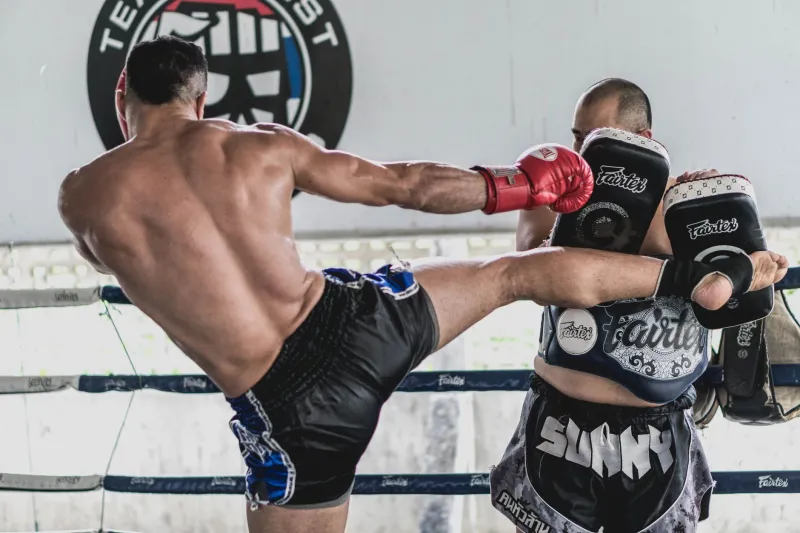
Good content is fast, dramatic, and visually compelling. Muay Thai skill development is slow, repetitive, and often deeply unglamorous. Drilling the same teep 500 times in a session doesn't make a great video. Getting dropped in sparring might — but only if you're comfortable showing that, and many influencers aren't.
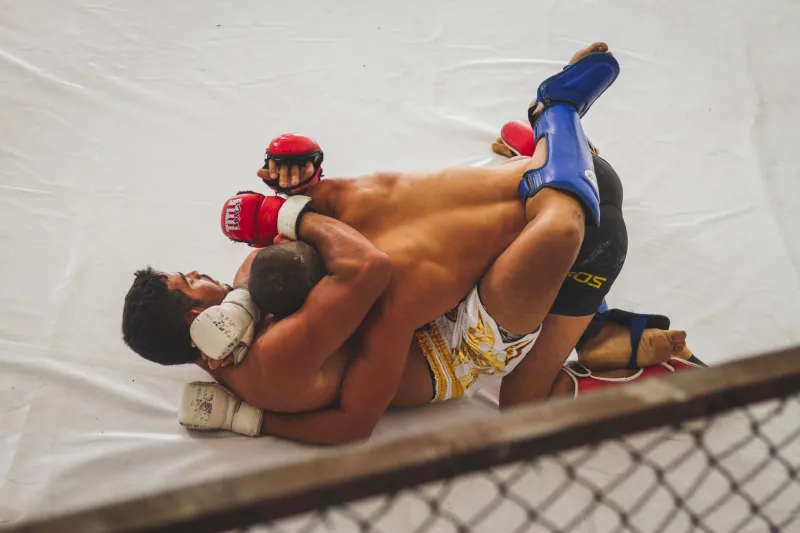
The result is a kind of performance trap. Some social media personalities who enter Muay Thai end up training for the content rather than for the skill. They prioritize sessions that photograph well over sessions that build the fundamentals. They rush toward fight announcements because a fight announcement is a content moment, even if they're nowhere near ready.
And then fight night arrives.
"I've seen it go badly," said a regional promoter who works with amateur events across the Southeast. "Not just a loss — everybody loses — but a situation where someone clearly had no business being in there yet, and they knew it going in. The ego of the announcement got ahead of the preparation. That's not fair to them, and it's not fair to their opponent."
The pressure of a public commitment is real. When you've told 300,000 people you're fighting on a specific date, withdrawing to get more training time becomes a content crisis as much as a competitive decision. That's a psychological burden that athletes who built their career quietly in gyms simply don't carry.
What the Gym Regulars Actually Think
Opinions within the Muay Thai community on this trend are genuinely split, and it's worth acknowledging that the skepticism isn't always fair.
Some longtime practitioners roll their eyes at any influencer in the gym on principle, which is a form of gatekeeping that doesn't serve anyone. Muay Thai in America grows when more people get involved, regardless of why they started.
But there's a more substantive concern that experienced fighters raise: when someone with a large following performs Muay Thai badly and calls it Muay Thai, it shapes what newcomers think the sport looks like. Viral moments — a flashy spinning elbow landed on an untrained opponent, a fight that goes the distance because neither competitor has any defense — can misrepresent the sport's actual depth to audiences who don't know better.
"I don't mind influencers competing," said one female Muay Thai competitor from Chicago who's been training for six years. "I mind when the narrative around it is that Muay Thai is easy to pick up and fight in quickly. It's not. It takes years to do it right. And that message gets lost when a fight gets framed as a content milestone instead of an athletic achievement."
The Framework That Actually Works
The influencers who navigate this well tend to share a few things in common. They train at credible gyms under coaches who won't rush them toward competition for the sake of content. They're transparent about their level — not claiming to be something they're not. They fight opponents of appropriate experience. And they let the timeline be what it is, even when that's slower than their audience might want.
That last part is the hardest. Social media rewards urgency. Muay Thai rewards patience. The fighters who can hold both truths at once — who can be a content creator and a genuine student simultaneously — are the ones who end up with something real to show for it.
Everyone else tends to find out the hard way that the ring doesn't care how many followers you have.
The bell rings the same for everyone.