Snap, Switch, Devastate: Why the Switch Kick Is the Technique American Fighters Can't Afford to Ignore
There's a moment in sparring that every experienced Muay Thai coach recognizes instantly. A fighter loads up for a switch kick, telegraphs the entire movement like they're sending a postcard, and either eats a counter or watches their kick get caught before it even lands. The gym goes quiet. The coach sighs. And somewhere in Thailand, a kru sheds a single tear.
The switch kick should be a nightmare for opponents. When executed correctly, it generates power from a deceptive step, fires from an unexpected angle, and arrives faster than most fighters can process. But in gyms across the United States, it's being done wrong — over and over again — until it becomes less of a weapon and more of a liability.
So what's going wrong, and more importantly, how do we fix it?
Why the Switch Kick Gets Slept On in American Gyms
American combat sports culture has deep roots in boxing and wrestling. That's not a knock — it's actually one of the reasons US fighters have developed such formidable hands and takedown defense. But that foundation also creates blind spots. The switch kick requires a comfort with lower body mechanics and stance transitions that most Western fighters simply haven't drilled from day one.
When a lot of American athletes come into Muay Thai, they're used to planting their feet and punching. The idea of hopping your stance mid-combination — while staying balanced, relaxed, and ready to fire — feels awkward at first. So gyms often teach it late, drill it less, and fighters end up treating it like a fancy trick rather than a fundamental tool.
The result? The switch kick gets pulled out occasionally in sparring, almost never gets repped at the volume it deserves, and stays underdeveloped right up until fight night.
The Most Common Mistakes American Fighters Make
Let's talk about what's actually going wrong mechanically, because there are a few recurring errors that show up at competitions from regional shows all the way up to national-level events.
The Obvious Step — This is the big one. Fighters telegraph the switch by making the initial step too large, too deliberate, or too slow. The hop that precedes the kick should be subtle — almost invisible. If your opponent can read the switch before your hips have even started rotating, you've already lost the element of surprise that makes the technique dangerous.
Kicking Too Early or Too Late — Timing the firing of the kick relative to the stance switch is a skill in itself. Kick too early and you lose hip rotation and power. Kick too late and you've given your opponent time to react, step offline, or catch your leg.
Tensing Up on the Switch — Fighters who are still learning the technique often stiffen their upper body during the hop, which kills fluidity and slows the whole sequence down. The switch should feel light. Your shoulders should stay relaxed, your hands should stay up, and your weight transfer should be smooth.
Neglecting the Setup — A switch kick thrown cold, with no lead-in, is rarely effective. The technique thrives when it's hidden inside combinations — after a jab-cross, off a feint, or immediately following a teep. American fighters often try to force it as a standalone attack, which removes most of its effectiveness.
Breaking Down Proper Execution
Here's the technical foundation every fighter needs to internalize before the switch kick becomes a real weapon.
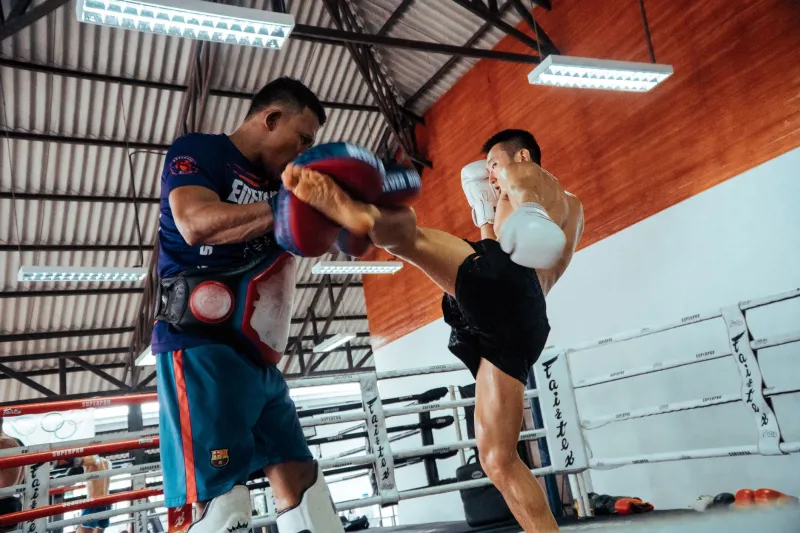
Start from your standard fighting stance. The switch is initiated with a small, quick hop — both feet leave the ground momentarily, and you land with your feet reversed. This is not a shuffle; it's a compact, controlled transfer of weight. The moment your back foot hits the ground in its new position, your hip rotation begins and the kick fires.
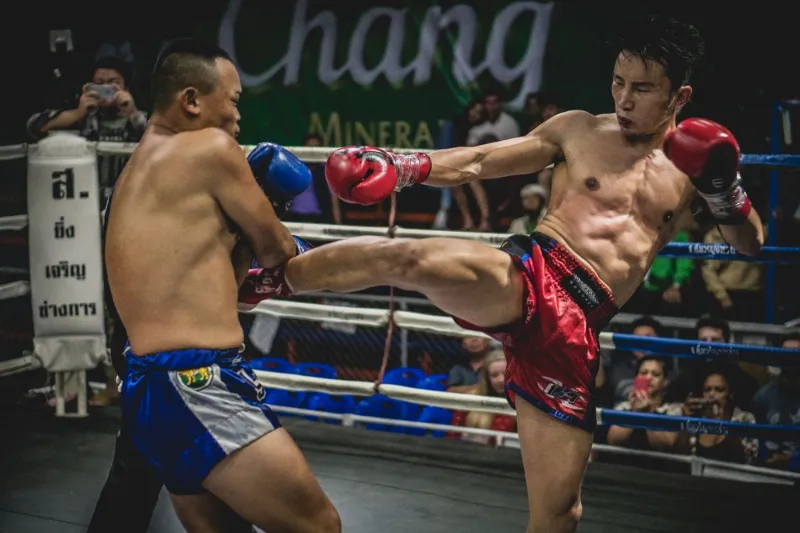
The chamber of the kicking leg should be tight. Bring the knee up sharply before extending through the target. The contact point is the shin — not the foot, not the ankle — and you're driving through the target, not at it.
Your non-kicking arm should pull back slightly as you kick to help with rotation, and your guard hand stays protecting your chin. Recover quickly back to your stance, because the moment after the kick lands is when counters arrive.
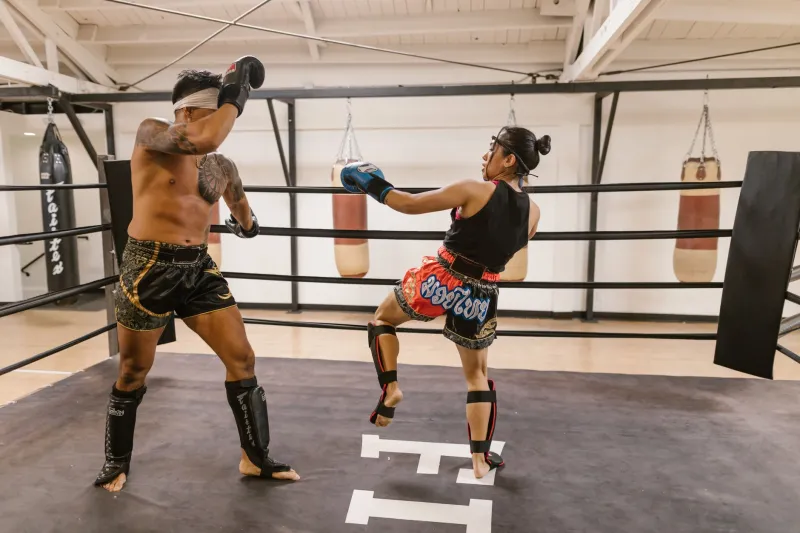
Practice it slow. Drill the hop separately before combining it with the kick. Shadow box it in combinations. Then bring it to pads, and only after that, into sparring.
The Fighters Getting It Right
The good news is that a new wave of American fighters is treating the switch kick with the respect it deserves, and the results are showing up in the record books.
Fighters coming out of gyms with strong Thai coaching influence — places where krus are actively breaking down the technique and demanding high repetition — are starting to show a noticeably sharper version of the switch kick at regional and national competitions. You're seeing it land to the body with enough force to visibly stagger opponents, and you're seeing it used to the head with the kind of snap that ends rounds early.
What separates these fighters isn't just raw athleticism. It's the willingness to drill an uncomfortable technique until it stops feeling uncomfortable. They've put in the rounds on the bag, the reps on the pads, and the time in shadow boxing where no one's watching and the work still gets done.
Some of the most exciting young American competitors on the circuit right now have made the switch kick a genuine centerpiece of their offense — not a party trick they pull out when they're already winning, but a calculated weapon they set up from the opening bell.
Making It Part of Your Arsenal
If you're training Muay Thai in the US and the switch kick isn't in your regular rotation, here's the honest truth: you're leaving a serious weapon on the shelf.
Start by asking your coach to break it down from the ground up. If your gym isn't drilling it regularly, bring it up. Add it to your shadow boxing every single session. Work it on the bag until the hop feels natural. Then get it on the pads with a partner who can give you feedback on timing and telegraphing.
The fighters who've weaponized this kick didn't stumble into it. They chose to put in the work that most people skip. That's the whole ethos of this sport — the technique that feels awkward today becomes the technique that wins fights six months from now.
The switch kick changed the game for the fighters who took it seriously. It can do the same for you.