Show Me the Money: What It Actually Costs to Compete in Muay Thai in the US
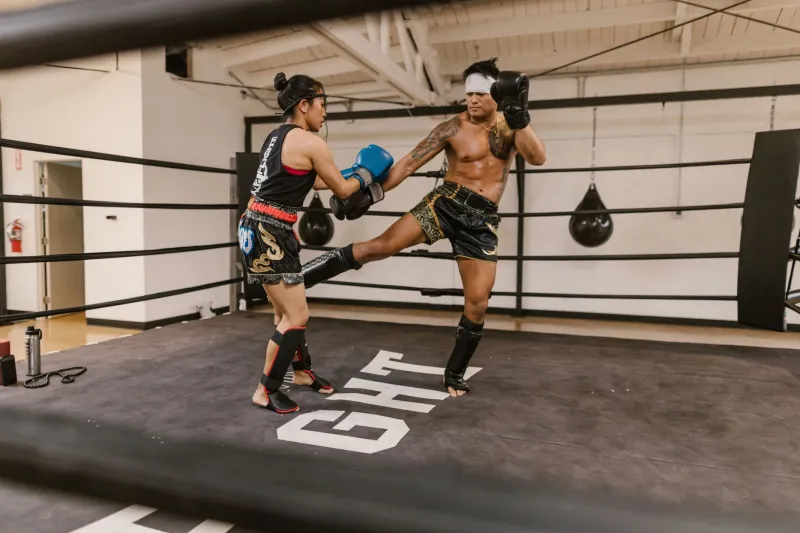
Let's skip the romanticized version. Nobody talks about the credit card statement after their first fight camp. Nobody posts about the hotel split four ways to make a regional tournament work. But that stuff is real, and if you're serious about competing in Muay Thai — at any level — you need a clear-eyed look at what it's going to cost before you sign up for anything.
This isn't meant to scare you off. Competition is one of the most rewarding things you can do in this sport. But going in financially unprepared creates stress that bleeds into your training, your performance, and sometimes your relationships. So let's get into the actual numbers.
The Entry-Level Reality: Amateur Domestic Competition
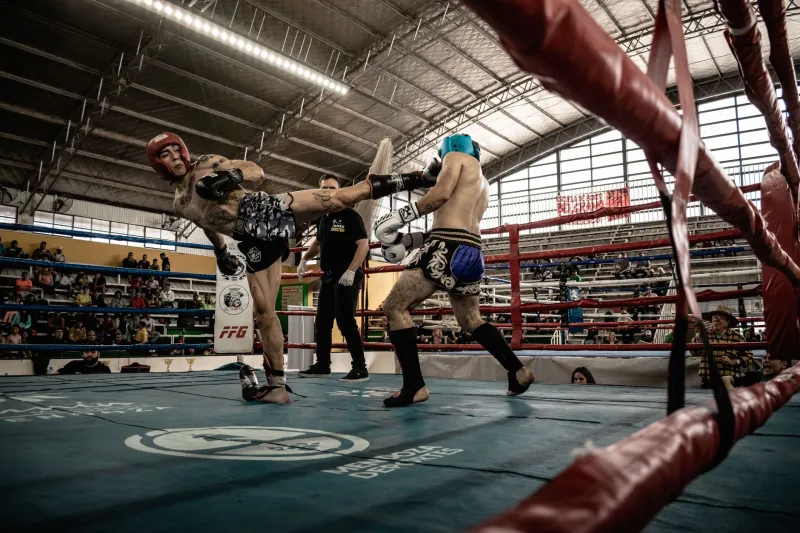
For most US-based fighters, the journey starts at regional amateur tournaments — events run by organizations like the American Muay Thai Association (AMTA), USMTO, or various state-level promotions. These are the proving grounds where beginners get their first ring experience.
Here's a realistic breakdown of what a single amateur event costs:
- Entry fee: $75–$150 depending on the promotion and event size
- Travel: Varies wildly. If the event is local, you might spend $20 in gas. If it requires a flight, budget $200–$500 round trip plus baggage fees for your gear bag.
- Accommodation: $80–$150 per night. Sharing a room with teammates cuts this significantly.
- Food and incidentals: $50–$100 for a weekend event
- Corner fees: Some gyms charge for cornering services, typically $50–$100 per fight. Others include it as part of your membership. Ask your coach upfront.
All in, a single amateur event in your home region might run you $300–$500. An out-of-state event can push $800–$1,200 once you factor in everything. That's before you touch your training costs.
The Gear Situation: What You Already Have vs. What You Actually Need
Most people training recreationally have decent gloves, hand wraps, and a mouthguard. Competition often demands more — and better.
For amateur competition, you'll typically need:
- Competition-grade gloves: $80–$150. Your beat-up bag gloves won't cut it for sanctioned events.
- Muay Thai shorts: $30–$80. Some promotions require specific styling or branding rules.
- Shin guards (for some amateur divisions): $60–$120
- Headgear: $60–$150 if required by your division
- Athletic cup and groin protector: $30–$60
If you're building a competition kit from scratch, budget $300–$500 for gear alone. If you've been training for a while and already have quality equipment, this cost drops substantially.
Fight Camp: The Hidden Major Expense
This is where most fighters underestimate their costs. A proper fight camp — typically six to ten weeks of intensified preparation — often involves additional training expenses beyond your regular gym membership.
Common fight camp costs include:
- Extra private sessions with your coach: $50–$100 per session. If you're doing two per week for eight weeks, that's $800–$1,600 right there.
- Specialized sparring partners: Some gyms bring in outside fighters to spar with you before a fight. This can be included in camp fees or billed separately.
- Nutrition and supplementation: Fight camps often involve stricter dietary protocols. Budget an extra $100–$200 per month for quality food, protein, and basic supplements.
- Recovery expenses: Massage, ice baths, physiotherapy if needed. These aren't optional if you're training hard — they're injury prevention. Expect $100–$300 over a camp depending on what your body needs.
A realistic fight camp budget, beyond your normal gym membership, runs $1,500–$3,000 for a serious amateur preparing for a regional event.
Going Pro: The Numbers Shift
Professional Muay Thai in the US is a complicated financial landscape. The good news is that pro fights typically come with a purse — the bad news is that at the regional and national level, those purses are often modest.
Expect pro payouts at smaller domestic shows to range from $300–$1,500 per fight. Larger promotions like Lion Fight or Bellator Kickboxing pay more, but getting there requires a proven record and often management representation. The reality for most early-career pros is that fight purses don't cover fight costs for a while. You're investing in your record and experience.
On the expense side, professional competition often brings higher travel demands (promoters may or may not cover travel), mandatory medicals (blood work, EKG, eye exam — budget $200–$400), and licensing fees that vary by state athletic commission.
The Thailand Question: Training Trip vs. Domestic Season
Every serious Muay Thai competitor eventually considers a Thailand training trip. The allure is real — training at the source, absorbing authentic technique, fighting on Thai soil. But how does it compare financially to running a domestic competitive season?
A typical Thailand training trip budget (30 days):
- Flight (roundtrip from US): $900–$1,400
- Training camp fees: $600–$1,200 for a month at a reputable camp (often includes accommodation)
- Living expenses: $500–$900 (food, transport, incidentals)
- Total: $2,000–$3,500
Compare that to running three domestic amateur events in a single year with full fight camps for each — you're looking at $4,000–$8,000 depending on travel demands. A Thailand trip, on a per-experience basis, can actually be competitive with a busy domestic season.
The difference is the return. Domestic competition builds your record, your local reputation, and your ring experience in a format that feeds directly into US-based career progression. A Thailand trip accelerates your technical development and cultural understanding of the sport in ways that domestic training often can't match. They serve different purposes.
Sponsorship: Real Talk
Everyone wants a sponsor. Very few people approach sponsorship in a way that actually works.
At the amateur level, realistic sponsorship options include local businesses (gyms, supplement shops, sports retailers), equipment brands offering gear discounts or free product, and social media partnerships if you have a following. Cash sponsorships at the amateur level are rare.
To attract sponsors, you need something to offer: social media reach, professional photography, consistent competition, and a clear brand identity. Start building those assets early — document your training, post consistently, and reach out to brands with a specific value proposition rather than a generic ask.
At the professional level, sponsorship becomes more viable but still requires hustle. Create a simple media kit with your record, social stats, and upcoming fight schedule. Email it to brands whose products you actually use. Authentic alignment matters to sponsors.
Building a Competition Budget That Actually Works
Here's a simple framework to use when planning your competitive year:
- Set a total annual competition budget before signing up for anything. Be honest about what you can absorb without financial stress.
- Prioritize events strategically. One well-prepared fight is worth more than three rushed ones — financially and developmentally.
- Build a fight fund. Even putting aside $100 a month creates a $1,200 cushion over a year — enough to cover a regional event without scrambling.
- Talk to your gym. Many coaches will work with committed fighters on training costs, payment plans, or reduced rates for fight camp if you're upfront about your situation.
- Track everything. Use a simple spreadsheet. Knowing exactly where your money goes helps you make smarter decisions next time.
Competing in Muay Thai is an investment — in your skills, your confidence, and your identity as a fighter. Go in with your eyes open, plan like a pro, and the ring will take care of the rest.