More Than a Gym: How the Best Muay Thai Spaces in America Build Bonds That Last a Lifetime
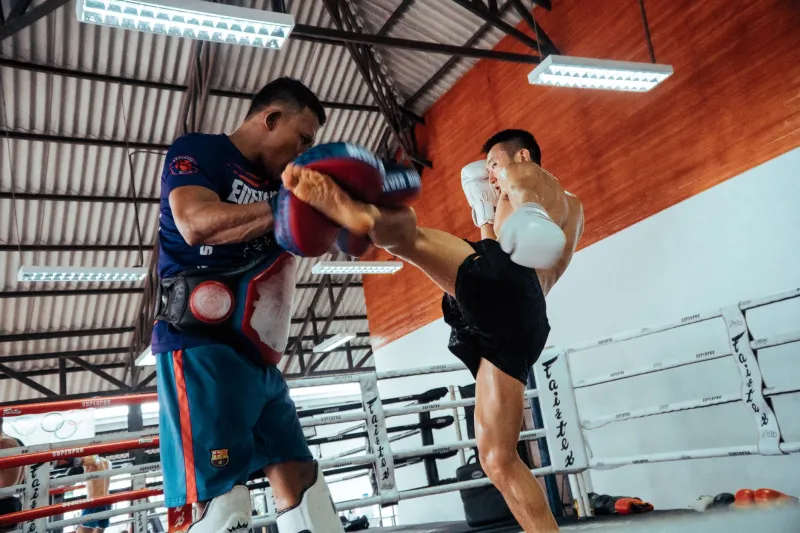
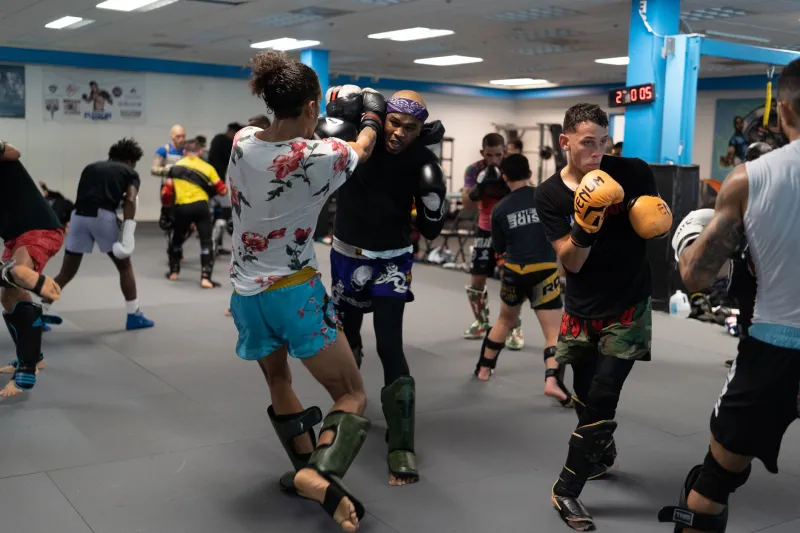
Walk into the right Muay Thai gym on a Tuesday night and something immediately feels different. People aren't just drilling in silence and heading home. They're laughing between rounds, calling each other out on lazy technique, helping a newer member figure out their stance. Someone brought leftover food. A coach is staying late — again — to work with a fighter who's been struggling with their teep.
Now walk into the wrong gym. You'll know it too. Transactional. Cold. People staring at their phones between rounds. Nobody quite sure who anyone else is.
The gap between those two experiences is culture. And in American Muay Thai, that gap is everything.
What Makes a Gym Actually Stick
Retention is the dirty little secret of the fitness industry. Most gyms — martial arts included — hemorrhage members within the first 90 days. People come in motivated, hit a wall, and quietly disappear. The gyms that beat that pattern aren't doing it with fancier bags or better air conditioning.
"People will drive past three gyms to get to one where they feel like they belong," says Marcus Webb, head coach at a Muay Thai gym in Denver that's been running for over a decade. "We've had members commute 45 minutes each way, twice a week, for years. That's not about us having the best equipment. That's about them not wanting to leave the people."
The research backs this up. Social belonging is one of the strongest predictors of exercise adherence — meaning people stick with physical activity longer when they feel genuinely connected to others doing it with them. In Muay Thai, where the training is genuinely hard and the learning curve is steep, that connection isn't a nice-to-have. It's the whole game.
Mentorship That Actually Means Something
One of the defining features of thriving Muay Thai gyms is intentional mentorship — not the accidental kind where a senior student happens to be nice to a newcomer, but a deliberate structure where experienced fighters are expected to bring people along.
At Forge-level gyms (the ones that actually produce fighters and keep them for years), you'll often see a quiet hierarchy at work. Advanced students pair with beginners during drilling. Fighters who've competed check in on people preparing for their first fight. Nobody announced this system. It just became part of how the place operates.
"When I was coming up, an older fighter named Darius basically adopted me," recalls Janelle Torres, a competitive amateur in Houston. "He never made it feel like a favor. He just trained with me, told me what I was doing wrong, and showed me how to actually prepare for a fight. I try to do the same thing now for people coming in."
That passing-down of knowledge — and the sense of responsibility that comes with it — is one of the clearest markers of a gym that's built something real.
Accountability Without the Ego
Here's a tension that every serious Muay Thai gym has to navigate: the sport demands toughness and honesty, but gyms that lean too hard into the "no excuses, warrior mentality" thing tend to become places only a very specific type of person can survive in.
The best gyms have figured out how to hold people accountable without making them feel like failures. That's a harder skill than it sounds.
"There's a difference between pushing someone because you believe in them and pushing someone because you want them to prove something to you," says Coach Angela Reyes, who runs a women's-focused Muay Thai program in Phoenix. "The first one builds people up. The second one breaks them down and they leave."
Accountability in healthy gym culture looks like coaches who remember what you said your goals were and check back in. It looks like training partners who text you when you miss a session — not to shame you, but because they noticed. It looks like an environment where admitting you're struggling doesn't get you written off.
The Ritual Factor
Something that often gets overlooked in conversations about gym culture is ritual. Not in a mystical sense — just the consistent, repeated behaviors that signal to everyone in the space that this place is serious and has standards.
The wai kru at the start of class. Bowing when you enter and leave the mat. The way equipment gets put away. Even something as simple as a gym that always starts class exactly on time sends a message: we take this seriously, and we expect you to as well.
Those small rituals accumulate into something bigger. They create a shared language and a set of expectations that new members absorb quickly. You don't have to explain the culture — you live it, and people pick it up.
"We do a group stretch at the end of every class, no exceptions," says Webb. "It's ten minutes. People used to try to sneak out early. Now nobody does, because it became the thing where we actually talk — about the session, about what's coming up, about life. That ten minutes has probably done more for our community than anything else we do."
Why This Actually Matters Beyond Fighting
It's worth stepping back and saying the quiet part out loud: the community a great Muay Thai gym builds doesn't just make better fighters. It makes better people.
Fighters who train in genuinely supportive environments show up differently in the rest of their lives. They learn to handle adversity without folding. They learn to give feedback without crushing people. They learn what it feels like to be part of something that demands real effort and gives real belonging in return.
In a country where loneliness has become a genuine public health crisis, a gym that does this well is offering something rare and valuable. Not just cardio. Not just self-defense. A place where people know your name, push you to be better, and actually give a damn whether you show up.
That's the forge effect. And once you've trained somewhere that has it, you'll never settle for less.